Root Canal Treatment
Save the Tooth Others Would Extract
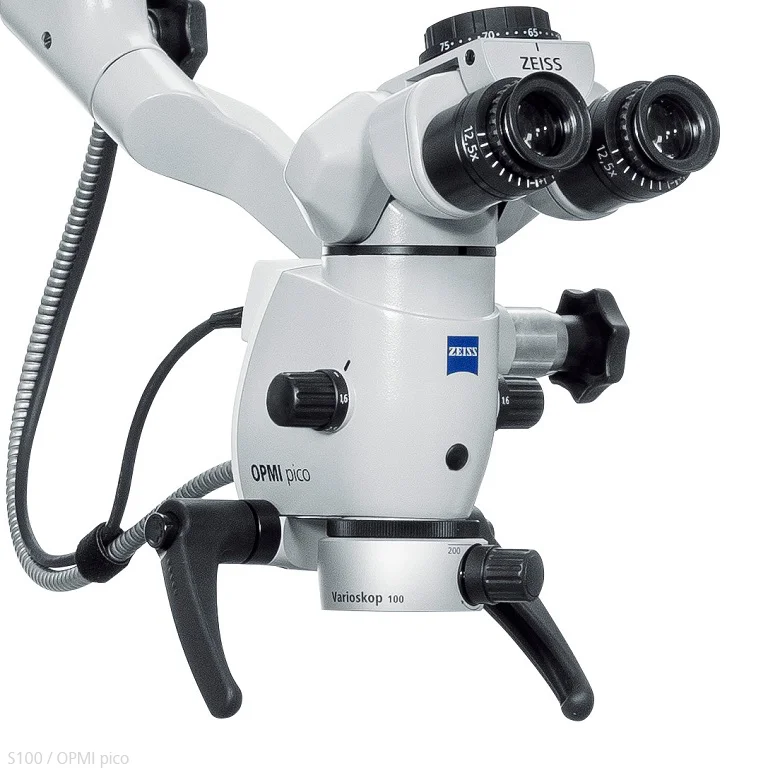
Our endodontists use a Zeiss surgical microscope to treat root canals with precision invisible to the naked eye. Three additional years of specialist training make the difference.
When You Might Need This
What Is a Root Canal?
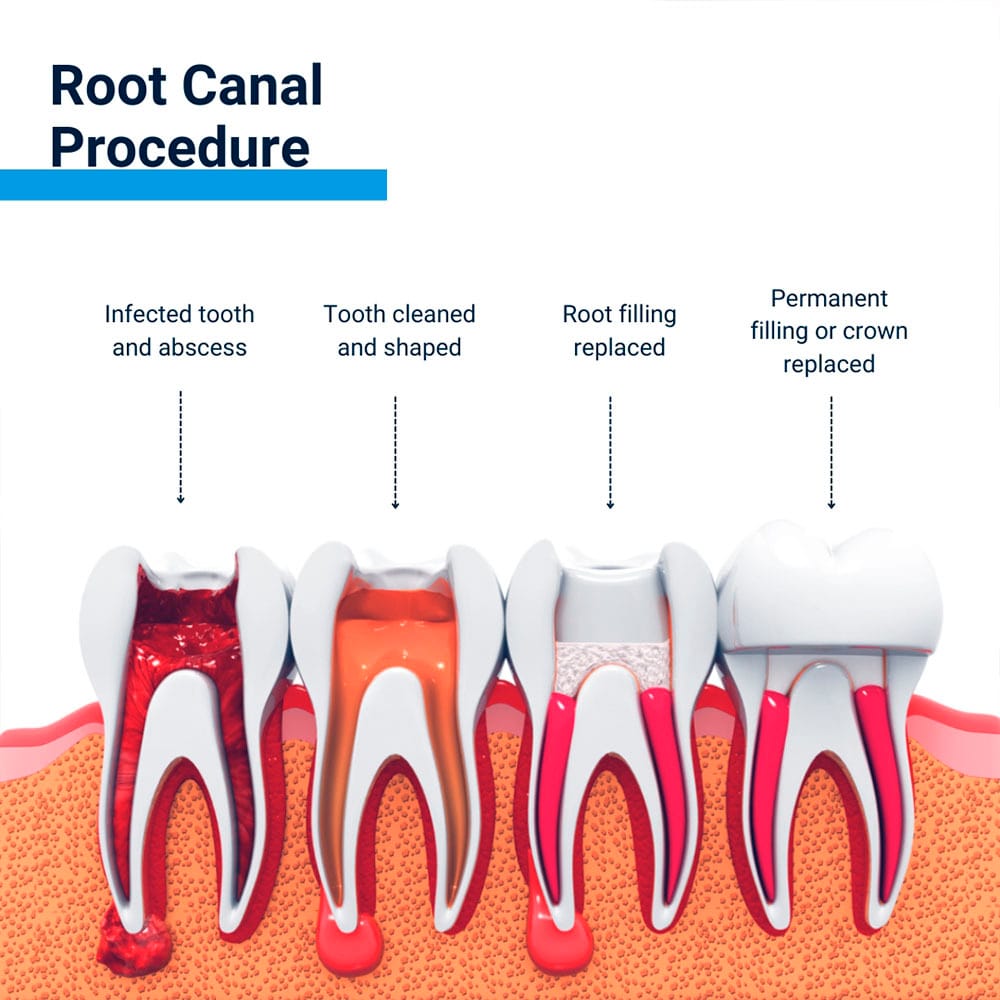
Inside every tooth is a soft tissue called the pulp — it contains nerves and blood vessels. When the pulp becomes infected or inflamed (from deep decay, a crack, or repeated dental work), it causes pain, sensitivity to hot and cold, or swelling. Left untreated, the infection can spread and you risk losing the tooth entirely.
A root canal removes the infected pulp, cleans and disinfects the canals inside the tooth, then seals them to prevent reinfection. The tooth is preserved and, with a crown on top, continues to function normally for years or even decades. It's the difference between saving your natural tooth and having it pulled.
How We Do It Better
Zeiss Microscope Precision
Root canals are intricate — a single tooth can have 3-4 canals, some thinner than a human hair. Our Zeiss microscope provides up to 25x magnification with coaxial illumination, revealing anatomy invisible to the naked eye.
This means we can find and treat hidden canals, remove old filling material from retreatment cases, and identify cracks that would otherwise go undetected — saving teeth that conventional treatment would miss.
What to Expect
The Treatment Process
Don't Rush to Extract
An inflamed or infected tooth doesn't necessarily need to come out. Using the microscope, our endodontists can often prolong the life of teeth that would otherwise be extracted — sometimes by decades.
Non-Surgical Retreatment
If a previous root canal has failed, we can often retreat it non-surgically under the microscope — removing old filling material, locating missed canals, and re-sealing the tooth to eliminate infection.
Microsurgical Options
For complex cases where non-surgical retreatment isn't sufficient, we perform microsurgical apicoectomy — a minor surgical procedure to remove the root tip and seal the canal from the bottom, preserving the tooth.
Specialist Training
Endodontists complete three additional years of postgraduate training beyond dental school, focused exclusively on root canal anatomy, treatment techniques, and complex case management.
Tooth Pain? Don't Wait.
The sooner we see you, the more likely we can save the tooth. Book a consultation — we'll assess the situation and explain your options.